Topic-specific guidance
Neighbour noise, vibration and outdoor units needs its own estimate logic because neighbour noise, vibration, mounting and night-time outdoor-unit placement checks. The useful first step is to connect the customer's room, evidence, constraints and budget before comparing equipment, dates or written scope. Treat any missing photo, route detail or permission note as an estimate risk rather than a small admin gap. That discipline keeps the article useful for customers and traceable for the team reviewing the enquiry later.
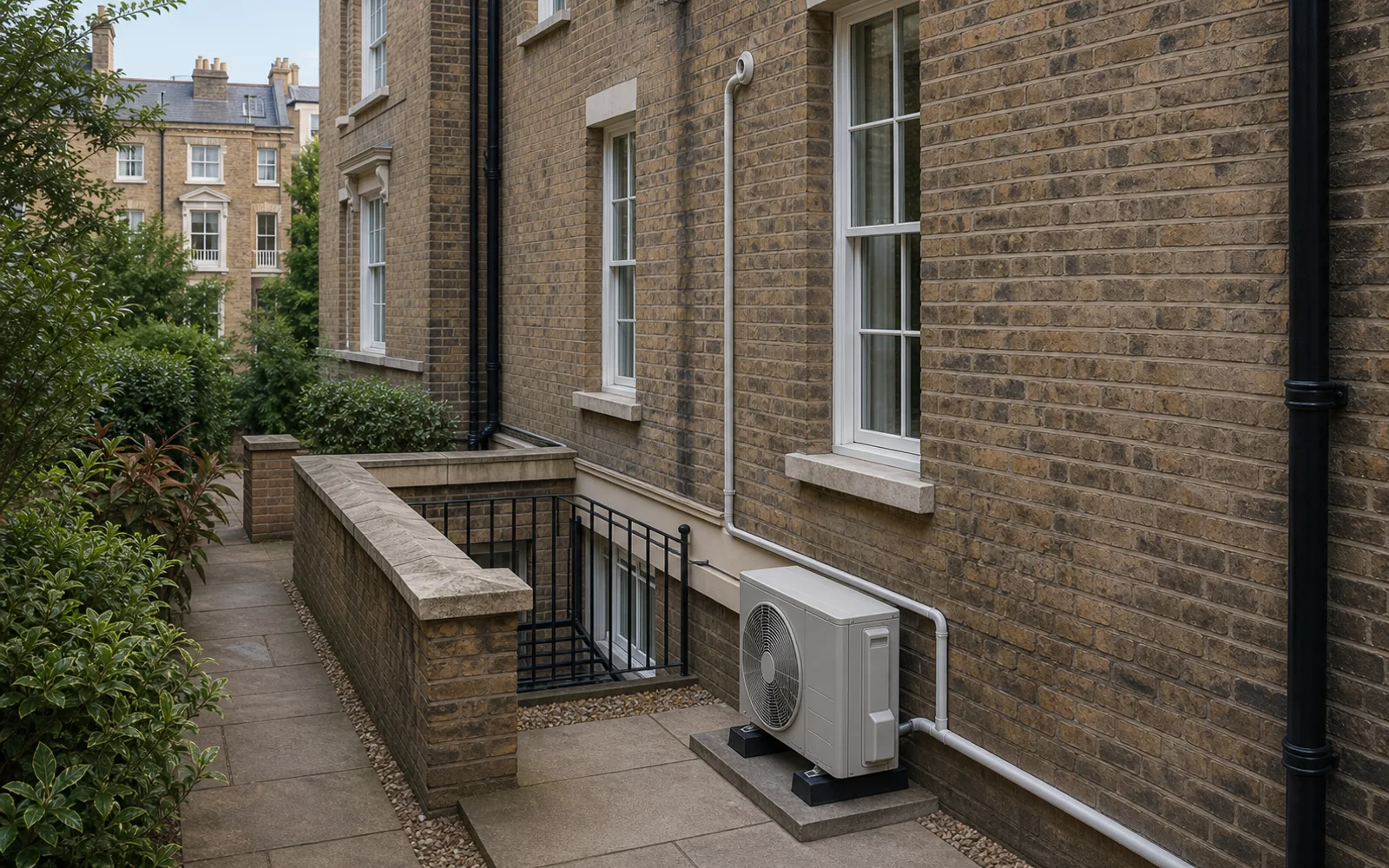
Outdoor-unit placement should be judged from the neighbour and night-time perspective, not only from the easiest pipe route. The customer may accept the sound, but the useful question is where the unit sits relative to bedrooms, boundaries, lightweight walls, shared alleys and places where vibration could travel.
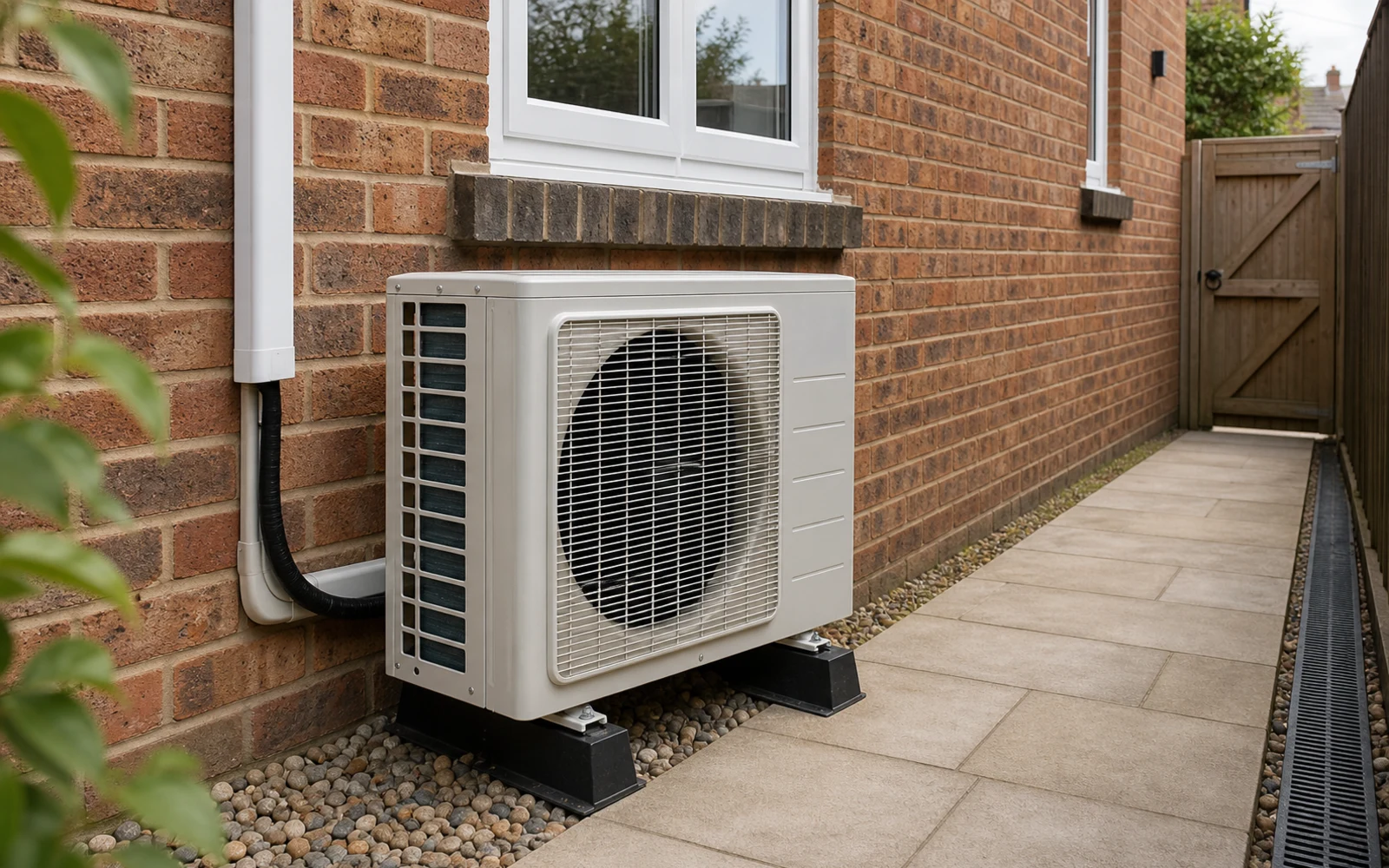
Useful evidence includes photos from the proposed outdoor position back towards windows and boundaries, wall construction, bracket or base options, drain discharge, access for servicing, distance to neighbours and whether the unit may run at night for bedroom cooling or winter heating. A short route video is often more useful than a close-up of the condenser.
The quote should say whether the outdoor unit is wall-mounted, ground-mounted or placed on a frame, and whether anti-vibration measures, drainage and service access are included. If planning or neighbour sensitivity is uncertain, the estimate should carry that caveat rather than burying it after equipment is selected.
The risk is choosing the shortest route and discovering later that noise, vibration or appearance creates a dispute. A technically tidy installation can still be the wrong installation if the external position is not socially and practically workable.
When Neighbour noise, vibration and outdoor units is used in the enquiry form, pair the question with the target room, preferred temperature, daily use pattern, budget boundary, outdoor-unit option, access limits, noise sensitivity, drainage route, controller expectation, service access and any permission constraint. That gives the estimator an auditable set of assumptions instead of a single isolated topic.
Approval path first
Neighbour noise, vibration and outdoor units is mainly an approval and boundary question before it is an equipment question. A neat indoor location is not useful if the outdoor unit, wall penetration, grant route or compliance duty cannot be supported.
The first decision is who needs to agree: customer, landlord, freeholder, building manager, planning authority, installer or grant administrator. If that chain is unclear, the quote should stay conditional. For Neighbour noise, vibration and outdoor units, keep this tied to the specific context: neighbour noise, vibration, mounting and night-time outdoor-unit placement checks.
Some projects are technically straightforward but administratively awkward. Flats, conservation areas, visible external equipment, larger commercial systems and grant-related work all need early honesty about what is assumed. For Neighbour noise, vibration and outdoor units, keep this tied to the specific context: neighbour noise, vibration, mounting and night-time outdoor-unit placement checks.
Evidence that reduces risk
Good evidence includes external elevations, balcony or roof photos, lease restrictions, neighbour proximity, existing plant, labels, permission notes and any previous building-management guidance. For Neighbour noise, vibration and outdoor units, keep this tied to the specific context: neighbour noise, vibration, mounting and night-time outdoor-unit placement checks.
For grants or heat-pump claims, the enquiry should state the proposed technology and the role it will play. Air-to-air room comfort, air-to-water boiler replacement and commercial inspection duties should not be blended together. For Neighbour noise, vibration and outdoor units, keep this tied to the specific context: neighbour noise, vibration, mounting and night-time outdoor-unit placement checks.
For F-gas or inspection topics, customers do not need to become engineers, but the written route should make competent handling, service access, leak response and record keeping visible. For Neighbour noise, vibration and outdoor units, keep this tied to the specific context: neighbour noise, vibration, mounting and night-time outdoor-unit placement checks.
What the quote should not hide
The quote should not treat an approval as solved merely because the installation looks simple. It should name the permissions assumed, the permissions still open and the consequence if the answer changes. For Neighbour noise, vibration and outdoor units, keep this tied to the specific context: neighbour noise, vibration, mounting and night-time outdoor-unit placement checks.
Noise, appearance and access should be described in practical terms: what neighbours may hear, what is visible, how the unit can be serviced and whether roof, ladder or restricted-area work changes the job. For Neighbour noise, vibration and outdoor units, keep this tied to the specific context: neighbour noise, vibration, mounting and night-time outdoor-unit placement checks.
If a grant, voucher or compliance route affects price or timing, the fallback position should be written down. The customer should not budget around money or permission that has not been secured. For Neighbour noise, vibration and outdoor units, keep this tied to the specific context: neighbour noise, vibration, mounting and night-time outdoor-unit placement checks.
Written confirmation
Before commitment, keep the final decision in writing: included work, excluded work, approval assumptions, responsibilities, warranty and what evidence the installer still needs. For Neighbour noise, vibration and outdoor units, keep this tied to the specific context: neighbour noise, vibration, mounting and night-time outdoor-unit placement checks.
This approach keeps the guide useful without turning it into property-specific legal advice. The article prepares the question; the written quote and relevant approvals settle the property-specific answer. For Neighbour noise, vibration and outdoor units, keep this tied to the specific context: neighbour noise, vibration, mounting and night-time outdoor-unit placement checks.
Quote audit checklist
When Neighbour noise, vibration and outdoor units becomes a real enquiry, start by naming the customer problem: comfort, cost, permission, fault diagnosis, handover or day-to-day use. Neighbour noise, vibration, mounting and night-time outdoor-unit placement checks. The title alone should not be treated as a fixed answer; the room, outdoor route, use pattern and written scope still decide the recommendation.
For Neighbour noise, vibration and outdoor units, the form details should support each other. Room type, dimensions, windows, target temperature, use pattern and uploaded evidence need to tell the same story. If the text says night-only bedroom use but the media only shows a living-room wall, the estimator still has to ask follow-up questions.
If the customer already has a budget or another quote for Neighbour noise, vibration and outdoor units, compare the assumptions rather than the headline number. VAT, electrical work, condensate route, outdoor brackets, removal of old equipment, commissioning, warranty and aftercare can all change what a price really means.
Anything involving Neighbour noise, vibration and outdoor units and a landlord, freeholder, planning authority, conservation area, neighbour noise, grants, F-gas duties or commercial compliance should stay conditional until confirmed. Trust AC can explain common routes, but an article should not turn unconfirmed approval, eligibility or third-party responsibility into a promise.
Before submitting a Neighbour noise, vibration and outdoor units enquiry, gather practical evidence: wide room view, preferred indoor wall, route from inside to outside, outdoor-unit option, fuse board or labels, drainage point and any access limits. Specific evidence reduces guesswork and gives the later written quote a cleaner audit trail.
The final decision for Neighbour noise, vibration and outdoor units belongs in the written scope: model, quantity, positions, included work, exclusions, payment schedule, warranty, maintenance expectations and anything still subject to site confirmation. The article helps the customer ask better questions; the confirmed quote is what makes the job auditable.