Trust AC

Servicing, maintenance, and fault checks

Tell us the brand, unit count, symptoms, and access so Trust AC can advise the next step.

Get my priceOpens the quote form with servicing context preselected.

Servicing and fault visits are quoted per system, once we know what is installed.Tell us what you have

  • See your price in minutes
  • We cover your area
  • Confirmed in writing
Air conditioning servicing checklist for an existing system
Existing systemsShow the system before booking a visit.

Existing systems

Show the system before booking a visit.

Service and fault enquiries are clearer when the first request includes model labels, controller errors, access photos, and a short symptom history.

Best for
Service and diagnosis
Useful proof
Labels and error photos
Parts
Confirmed separately

Typical projects

Tell us the size of your project before asking for a final price.

These examples help customers recognise the kind of enquiry they are making before comparing equipment tiers or assuming a single headline price.

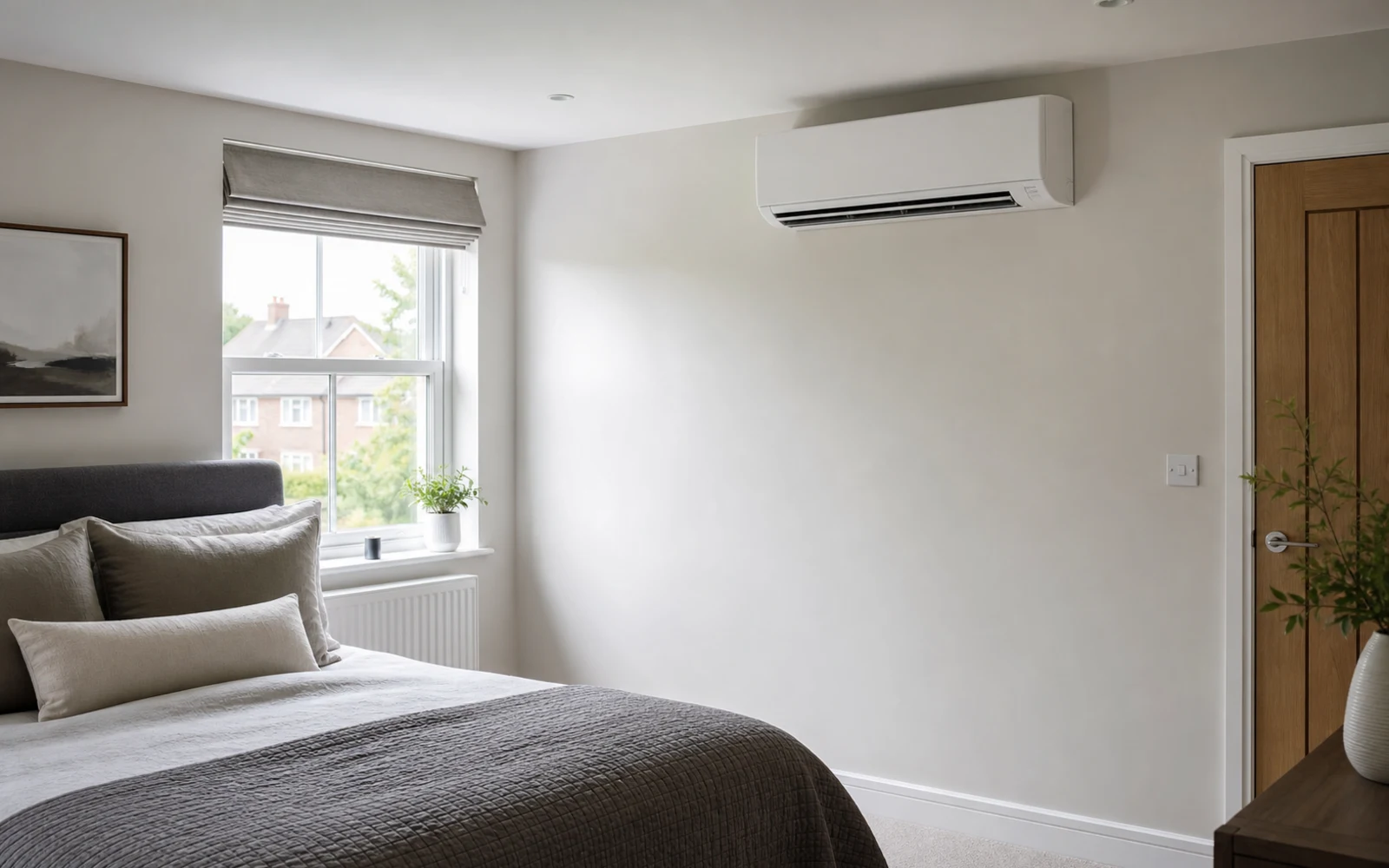
Domestic room prepared for a single split air conditioning estimate
One room
Bedroom, lounge, or garden office

Usually the clearest starting point: one indoor unit, one outdoor unit, and a path that can be checked from photos.

  • Room size and heat gain
  • Indoor wall and outdoor position
  • Drainage, electrics, and access
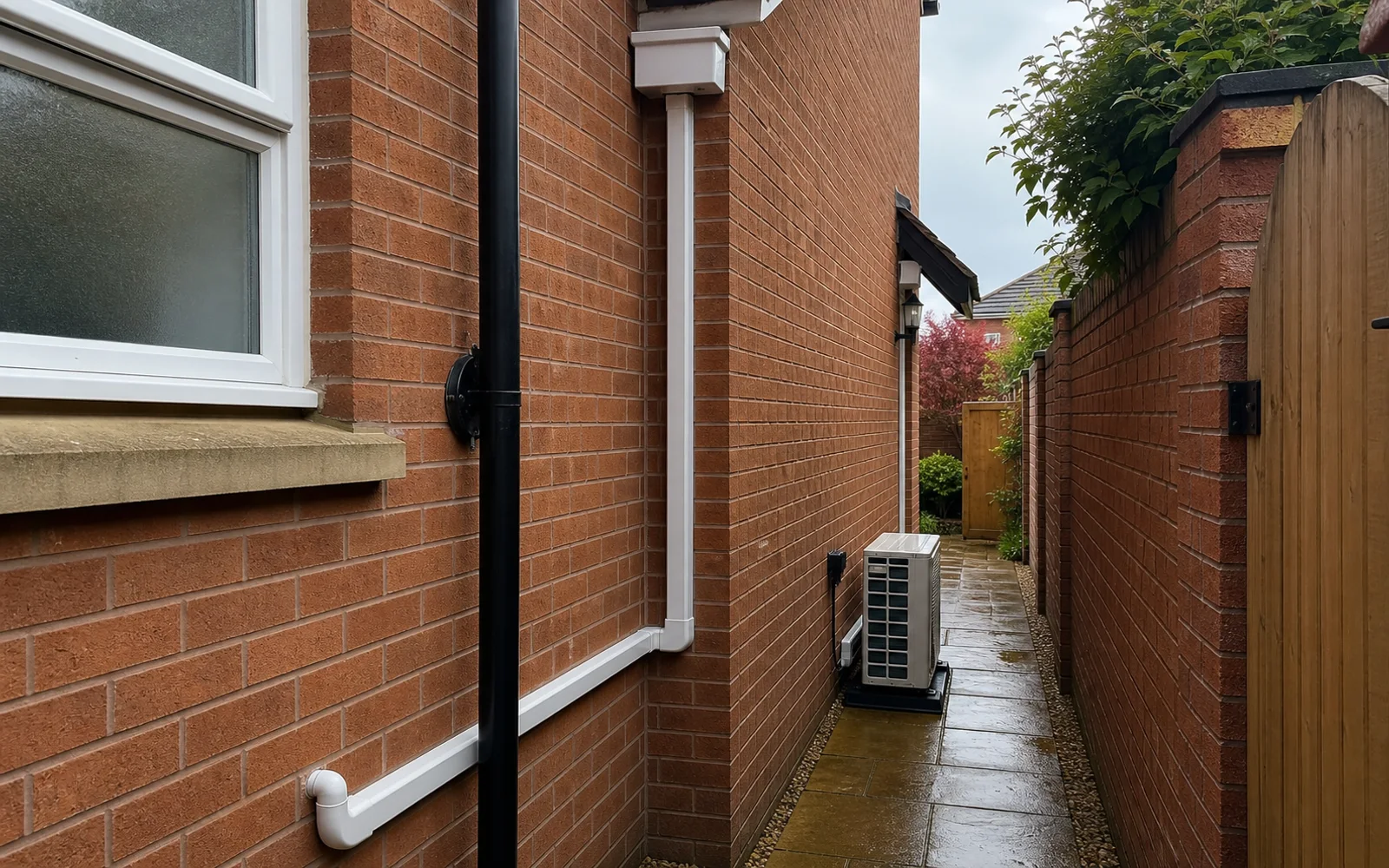
Air conditioning pipe route and outdoor position check
Multiple zones
Two or three rooms planned together

The decision is not just room count. Pipe routes, simultaneous use, outdoor capacity, and service access all need a closer look.

  • Indoor unit count
  • Shared outdoor capacity
  • Longer pipe run and setup time
Commercial air conditioning and servicing check
Business or existing system
Shop, office, service visit, or replacement

Commercial timing, customer disruption, existing labels, and access risk can affect the work as much as equipment choice.

  • Opening hours and disruption
  • Existing unit labels or faults
  • Parking, height, and safe access
Match my project in the estimate form

Service or fault

The next step depends on whether this is planned care or a live fault.

Existing systems are easier to look at when the first message separates routine servicing from symptoms, errors, access, and parts risk.

01Routine servicing

Send unit count, last service date if known, filter access, outdoor access, and whether the site is home or business.

02Fault symptoms

Describe what changed, when it started, error codes, water leaks, noise, heating/cooling loss, or power issues.

03Replacement possibility

If the system is old or unreliable, include labels and photos so Trust AC can compare service versus replacement.

Who this is for

Customers with existing indoor and outdoor units needing routine maintenance or fault diagnosis.

What affects price

Number of units, access, service history, fault symptoms, and whether parts or a visit are needed.

Photos that help

Indoor unit labels, outdoor unit labels, controller errors, access path, and visible installation condition.

Manual checks

Some faults require an in-person visit and cannot be fully diagnosed online.

Before you send it

Prepare a practical estimate request

A clear first request helps Trust AC check the site faster and keeps the next step practical.

Get my price

Common questions

How often should air conditioning be serviced?

Once a year suits most homes and light commercial use. Heavier use, dusty environments or several units can justify more frequent visits, and manufacturer warranties often require servicing to stay valid.

My unit is not cooling — is that a repair or a service?

It can be either. Weak cooling is often filters or airflow, which a service fixes; it can also point to a refrigerant leak, which needs a certified repair. Send the symptoms and any error code and we will tell you which is likely.

Can you service a system another company installed?

Yes. Send the brand, model and any labels on the indoor and outdoor units and we can advise on servicing, parts availability, and whether repair or replacement makes more sense.