Trust AC
Topic-specific guidance
Air conditioning vs gas boiler needs its own estimate logic because compare air conditioning heat pumps and a gas boiler without pretending one answer fits every property. The useful first step is to connect the customer's room, evidence, constraints and budget before comparing equipment, dates or written scope. Treat any missing photo, route detail or permission note as an estimate risk rather than a small admin gap. That discipline keeps the article useful for customers and traceable for the team reviewing the enquiry later.
A gas boiler and a reversible air conditioner do different jobs. A boiler burns fuel to heat water for radiators, underfloor heating or domestic hot water. A room air-conditioning system is usually air-to-air: it heats or cools air directly and normally does not provide hot water.
The important comparison is therefore not just efficiency. It is heating role, hot-water role, comfort pattern, tariff and installation scope. If a customer wants boiler replacement, the conversation often moves towards air-to-water heat pumps and cylinders, not only wall-mounted air-to-air units.
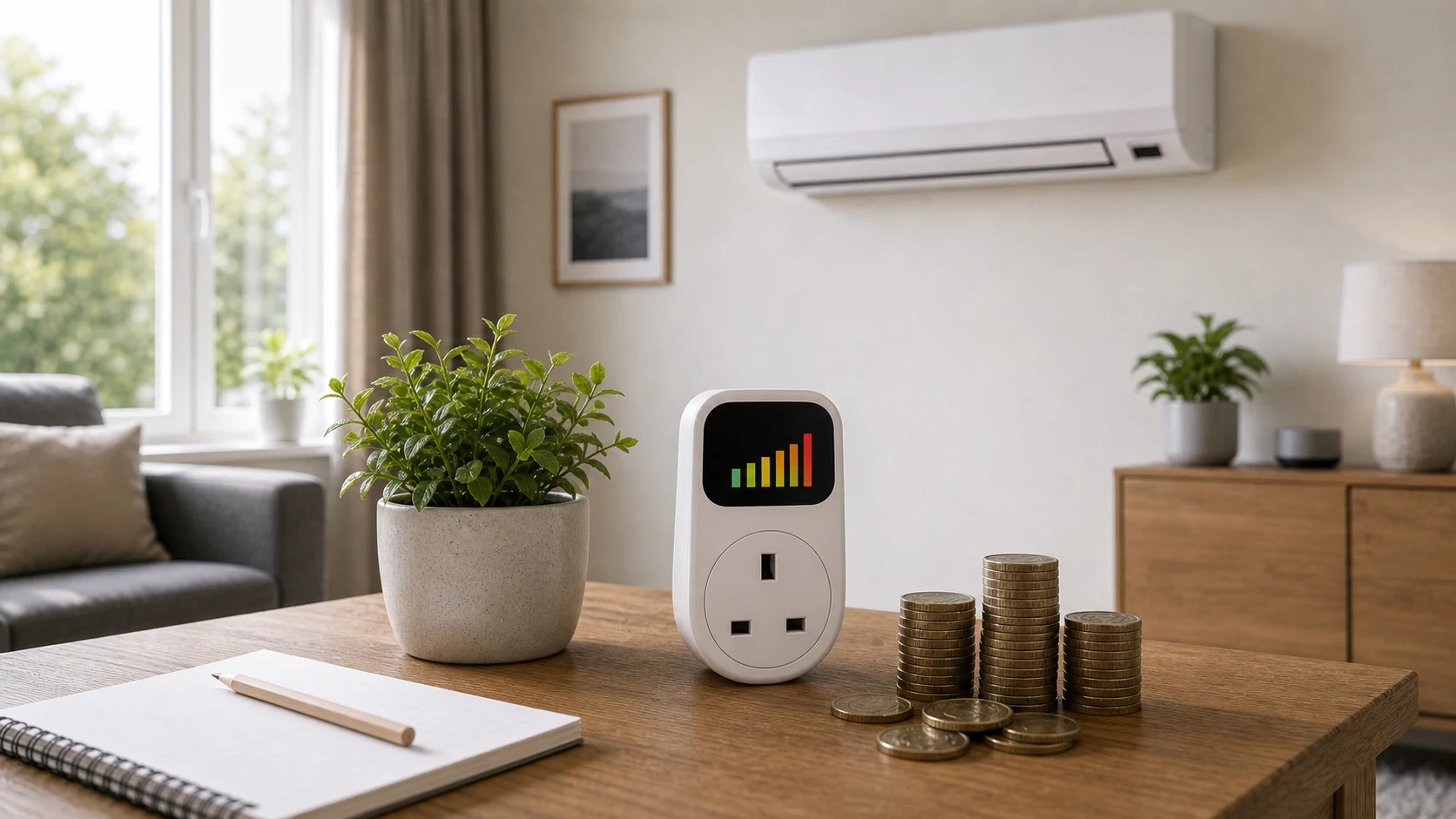
Running cost claims must stay conditional. Electricity and gas tariffs change, and heat-pump performance changes with outside temperature, set point, controls, insulation and maintenance. A credible article should explain scenarios rather than promising cheaper bills.
Air-to-air comfort can still be valuable beside a boiler. It can cool in summer, heat selected rooms quickly and reduce reliance on central heating in shoulder seasons, but it should be described honestly as room comfort unless the wider heating and hot-water design has been checked.
The decision should start with whether the customer is comparing whole-house heating, hot water, selected-room comfort or summer cooling. A gas boiler remains a wet heating and hot-water appliance, while a wall-mounted split air conditioning system normally serves the air in one or more rooms.
Useful evidence includes radiator use, hot-water demand, current boiler age, room heat loss, electricity tariff, gas tariff and whether the customer wants cooling as well as heating. Without those facts, a simple bill comparison is too thin.
A written quote should avoid implying that an air-to-air installation automatically replaces a boiler. If the proposal is comfort heating only, the quote should say so and keep domestic hot water outside the scope.
The main risk is category confusion. Air-to-air, air-to-water, hybrid heating and boiler replacement are related conversations, but they are not the same installation job.
When Air conditioning vs gas boiler is used in the enquiry form, pair the question with the target room, preferred temperature, daily use pattern, budget boundary, outdoor-unit option, access limits, noise sensitivity, drainage route, controller expectation, service access and any permission constraint. That gives the estimator an auditable set of assumptions instead of a single isolated topic.
They are not competing for the same job
A gas boiler is a whole-house wet heating system: it heats water, pushes it round radiators and usually supplies your hot taps as well. An air-to-air heat pump heats the air in the rooms that have an indoor unit, and does not touch hot water at all. Comparing them as if they were alternatives only works if you are clear about which parts of the job you actually need doing.
For most UK homes the honest framing is that they overlap rather than substitute. The boiler covers the whole house and the cylinder; the air conditioning covers specific rooms, faster, and cools them in summer. Plenty of houses end up with both, using the heat pump for the rooms that are used most and letting the boiler handle the rest.
Where the running-cost comparison actually lands
Per unit of heat delivered, a heat pump is efficient in a way a boiler cannot be: it moves existing heat rather than releasing it from fuel, so it delivers more heat energy than the electricity it consumes. Against direct electric heating it wins comfortably.
Against gas it is genuinely more complicated, because in the UK electricity costs substantially more per kWh than gas. The efficiency advantage and the price difference push in opposite directions, and where you land depends on your tariff, how well the room holds heat and how many hours you actually run it. Anyone who tells you the answer without asking those questions is guessing.
What is more reliably true is the shape of the saving: heating one or two rooms you are actually using, quickly, tends to cost less than bringing an entire house up to temperature through radiators for the same benefit.
The practical differences you will notice
Response is the obvious one. A heat pump warms a room in minutes because it is heating air directly; radiators heat the fabric of the room and take much longer, which is why boiler systems suit steady all-day warmth and heat pumps suit rooms used in bursts.
The comfort is different too. Warm air arrives at head height and moves, which some people love and others find drying compared with radiant warmth from a radiator. It is worth being honest with yourself about that preference before committing, because it is not something a specification sheet will tell you.
How to decide without over-committing
Start from the problem rather than the technology. If the complaint is one cold room, a whole-system replacement is an expensive answer to a small question. If it is a failing boiler and radiators that never quite work, that is a heating project and air conditioning is not the fix.
It is also reasonable to sequence it. Adding air conditioning to the rooms that are uncomfortable in both summer and winter is a modest, reversible step that tells you a great deal about how the technology behaves in your house — and leaves the bigger heating decision for whenever the boiler actually needs replacing.