Topic-specific guidance
Filters, airflow and indoor air quality needs its own estimate logic because filters, airflow and indoor air quality expectations for domestic and commercial ac. The useful first step is to connect the customer's room, evidence, constraints and budget before comparing equipment, dates or written scope. Treat any missing photo, route detail or permission note as an estimate risk rather than a small admin gap. That discipline keeps the article useful for customers and traceable for the team reviewing the enquiry later.
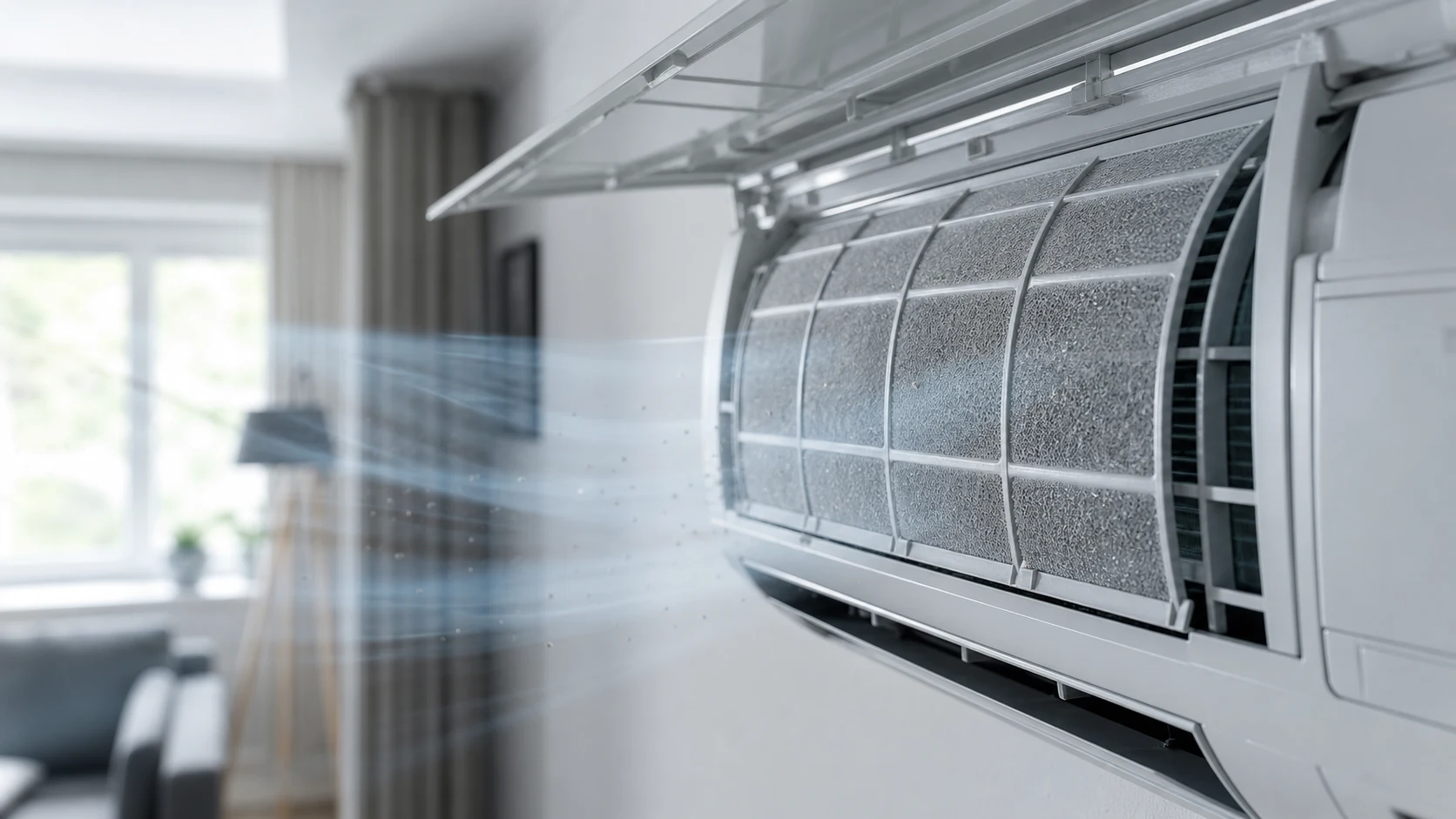
Filter discussion should stay practical: filters protect airflow and equipment cleanliness, and some products add comfort features. They should not be marketed as a cure-all for indoor air quality.
Evidence includes room use, dust, pets, cooking, treatment activity, filter access, cleaning habits and whether the complaint is smell, dust, weak airflow or allergy concern.
The quote and handover should explain filter access, user cleaning, service intervals and any optional filtration feature in plain terms. Claims should stay within the equipment actually supplied.
The risk is either ignoring filters or overselling them. Dirty filters can weaken comfort and efficiency, but AC filtration is not the same as a full ventilation or air-purification strategy.
When Filters, airflow and indoor air quality is used in the enquiry form, pair the question with the target room, preferred temperature, daily use pattern, budget boundary, outdoor-unit option, access limits, noise sensitivity, drainage route, controller expectation, service access and any permission constraint. That gives the estimator an auditable set of assumptions instead of a single isolated topic.
Define the comfort job
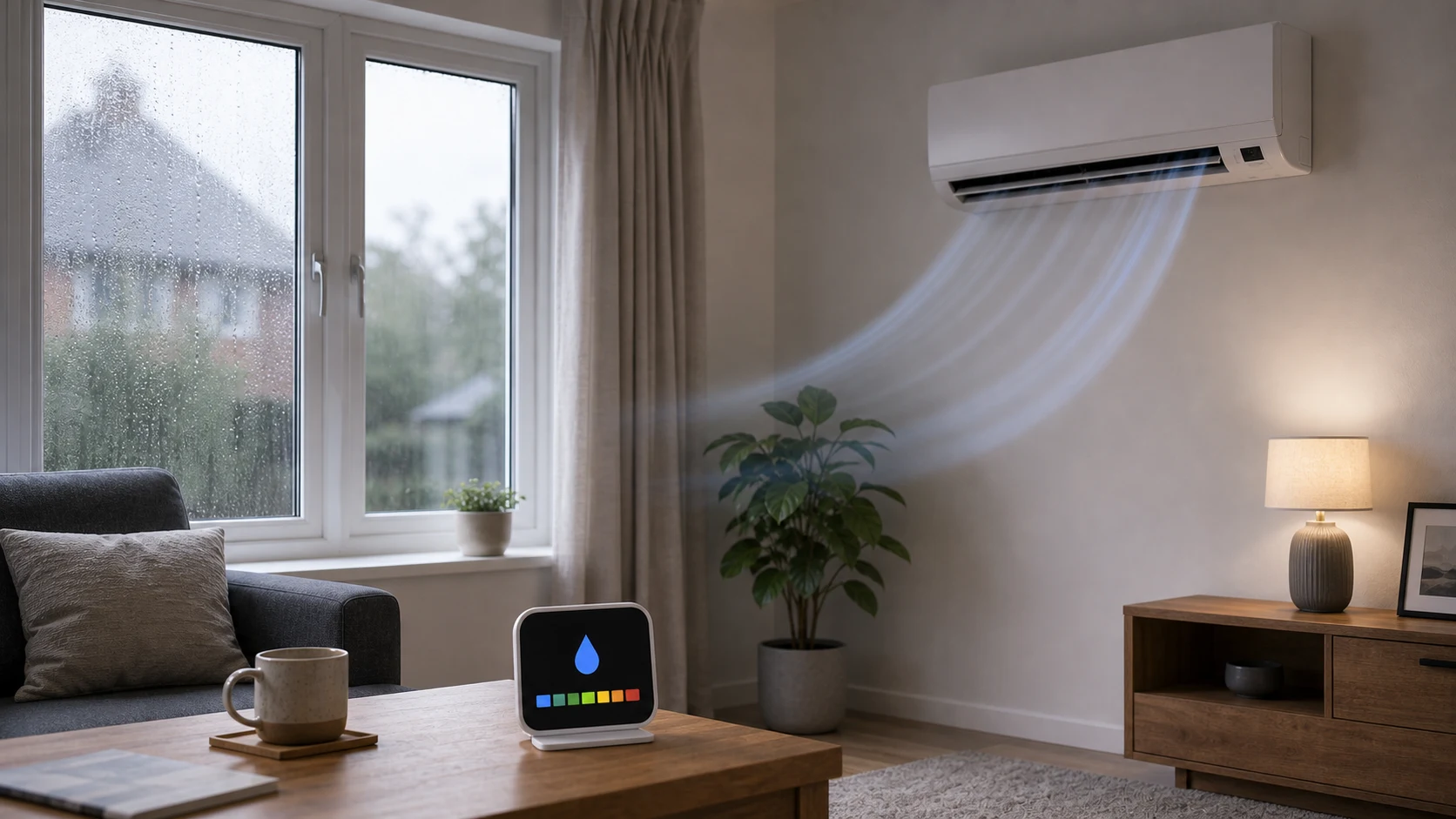
Filters, airflow and indoor air quality should begin with the discomfort the customer is trying to solve: summer overheating, winter support, sticky humidity, stale air movement, noise, sleep comfort or confusing controls.
A room used at night for sleep is not the same as a shop used all afternoon or a garden office used through winter. Hours of use, target temperature and occupancy pattern change both comfort and running cost. For Filters, airflow and indoor air quality, keep this tied to the specific context: filters, airflow and indoor air quality expectations for domestic and commercial ac.
Air-to-air systems can be excellent for direct room comfort, but they should not be sold as every kind of heating, ventilation or hot-water solution. The boundary should be plain before equipment is compared. For Filters, airflow and indoor air quality, keep this tied to the specific context: filters, airflow and indoor air quality expectations for domestic and commercial ac.
Evidence that explains comfort
Useful evidence includes room photos, window orientation, insulation clues, door behaviour, bed or desk position, controller screenshots, humidity concerns and whether the customer expects heating as well as cooling. For Filters, airflow and indoor air quality, keep this tied to the specific context: filters, airflow and indoor air quality expectations for domestic and commercial ac.
Airflow matters as much as headline capacity. A unit can be correctly sized but still feel wrong if it blows across a bed, misses the occupied area or cannot mix air through the room. For Filters, airflow and indoor air quality, keep this tied to the specific context: filters, airflow and indoor air quality expectations for domestic and commercial ac.
For controls and modes, screenshots or short notes can prevent false fault reports. Auto, dry, fan, heat and cool mode can each disappoint if the user expects a different result. For Filters, airflow and indoor air quality, keep this tied to the specific context: filters, airflow and indoor air quality expectations for domestic and commercial ac.
Quote boundaries
A quote should say whether the system is cooling-led, heating support, primary room heating, humidity comfort or control improvement. Those are related but not identical buying reasons. For Filters, airflow and indoor air quality, keep this tied to the specific context: filters, airflow and indoor air quality expectations for domestic and commercial ac.
Running-cost examples should name the tariff, hours, room size, insulation and set temperature behind the scenario. Without those assumptions, a monthly figure can sound more certain than it is. For Filters, airflow and indoor air quality, keep this tied to the specific context: filters, airflow and indoor air quality expectations for domestic and commercial ac.
If winter performance or defrost behaviour matters, the customer should know that outdoor temperature, airflow, maintenance and controls can change the heating feel. For Filters, airflow and indoor air quality, keep this tied to the specific context: filters, airflow and indoor air quality expectations for domestic and commercial ac.
How to use the answer
The best next step is to connect comfort preference to site reality: where the indoor unit can sit, where the outdoor unit can go, how drainage works and whether quiet operation is a priority. For Filters, airflow and indoor air quality, keep this tied to the specific context: filters, airflow and indoor air quality expectations for domestic and commercial ac.
The article should help the customer ask sharper questions; the written quote should turn those questions into model, position, route, control and handover decisions. For Filters, airflow and indoor air quality, keep this tied to the specific context: filters, airflow and indoor air quality expectations for domestic and commercial ac.
Quote audit checklist
When Filters, airflow and indoor air quality becomes a real enquiry, start by naming the customer problem: comfort, cost, permission, fault diagnosis, handover or day-to-day use. Filters, airflow and indoor air quality expectations for domestic and commercial AC. The title alone should not be treated as a fixed answer; the room, outdoor route, use pattern and written scope still decide the recommendation.
For Filters, airflow and indoor air quality, the form details should support each other. Room type, dimensions, windows, target temperature, use pattern and uploaded evidence need to tell the same story. If the text says night-only bedroom use but the media only shows a living-room wall, the estimator still has to ask follow-up questions.
If the customer already has a budget or another quote for Filters, airflow and indoor air quality, compare the assumptions rather than the headline number. VAT, electrical work, condensate route, outdoor brackets, removal of old equipment, commissioning, warranty and aftercare can all change what a price really means.
Anything involving Filters, airflow and indoor air quality and a landlord, freeholder, planning authority, conservation area, neighbour noise, grants, F-gas duties or commercial compliance should stay conditional until confirmed. Trust AC can explain common routes, but an article should not turn unconfirmed approval, eligibility or third-party responsibility into a promise.
Before submitting a Filters, airflow and indoor air quality enquiry, gather practical evidence: wide room view, preferred indoor wall, route from inside to outside, outdoor-unit option, fuse board or labels, drainage point and any access limits. Specific evidence reduces guesswork and gives the later written quote a cleaner audit trail.
The final decision for Filters, airflow and indoor air quality belongs in the written scope: model, quantity, positions, included work, exclusions, payment schedule, warranty, maintenance expectations and anything still subject to site confirmation. The article helps the customer ask better questions; the confirmed quote is what makes the job auditable.