Topic-specific guidance
Replacing an old air conditioner needs its own estimate logic because how to think about replacing old indoor and outdoor ac units. The useful first step is to connect the customer's room, evidence, constraints and budget before comparing equipment, dates or written scope. Treat any missing photo, route detail or permission note as an estimate risk rather than a small admin gap. That discipline keeps the article useful for customers and traceable for the team reviewing the enquiry later.
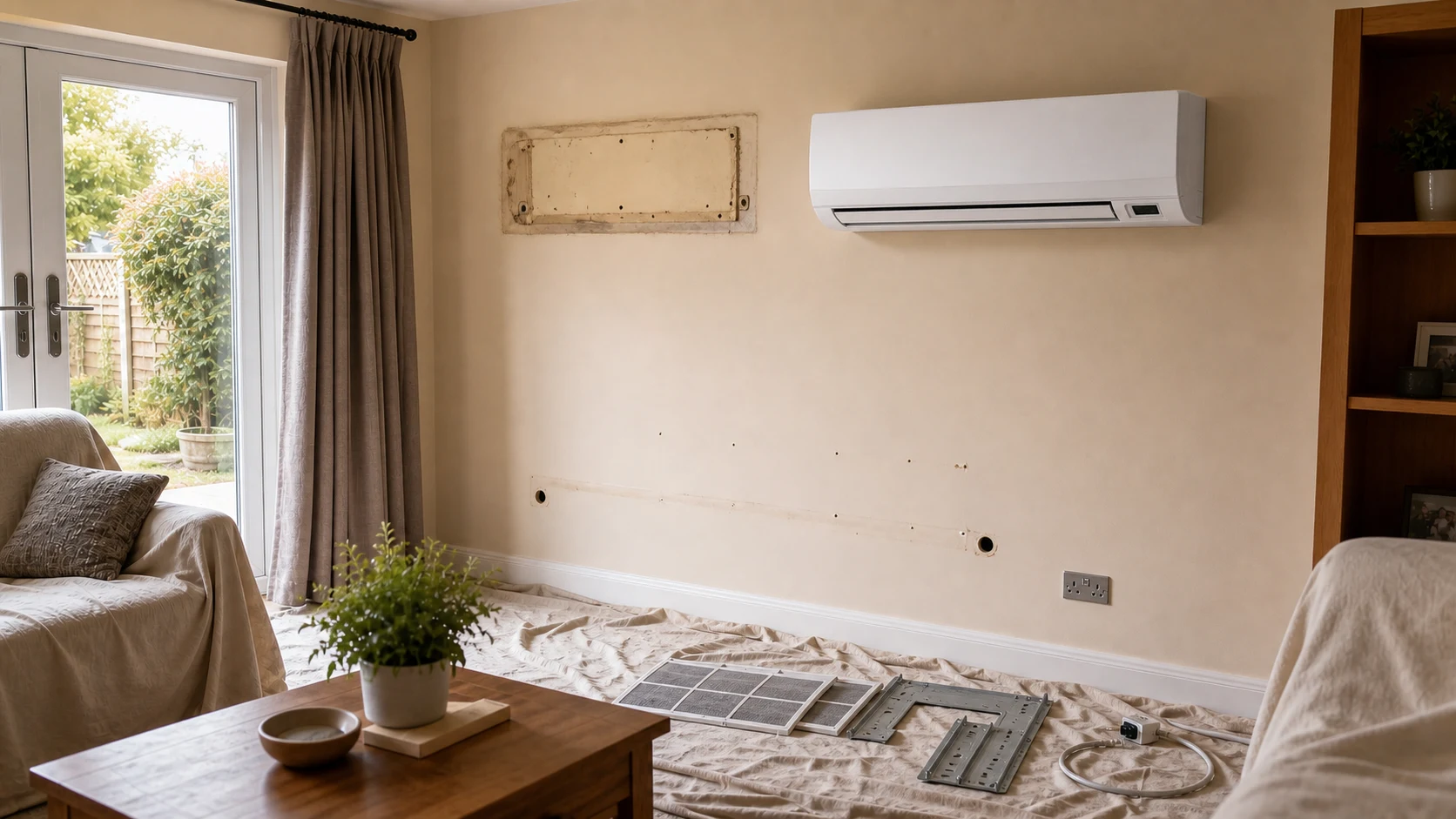
Replacement should start with what can safely be reused and what should be renewed. Old brackets, pipework, wiring, drains and refrigerant type all need checking before a like-for-like price is trusted.
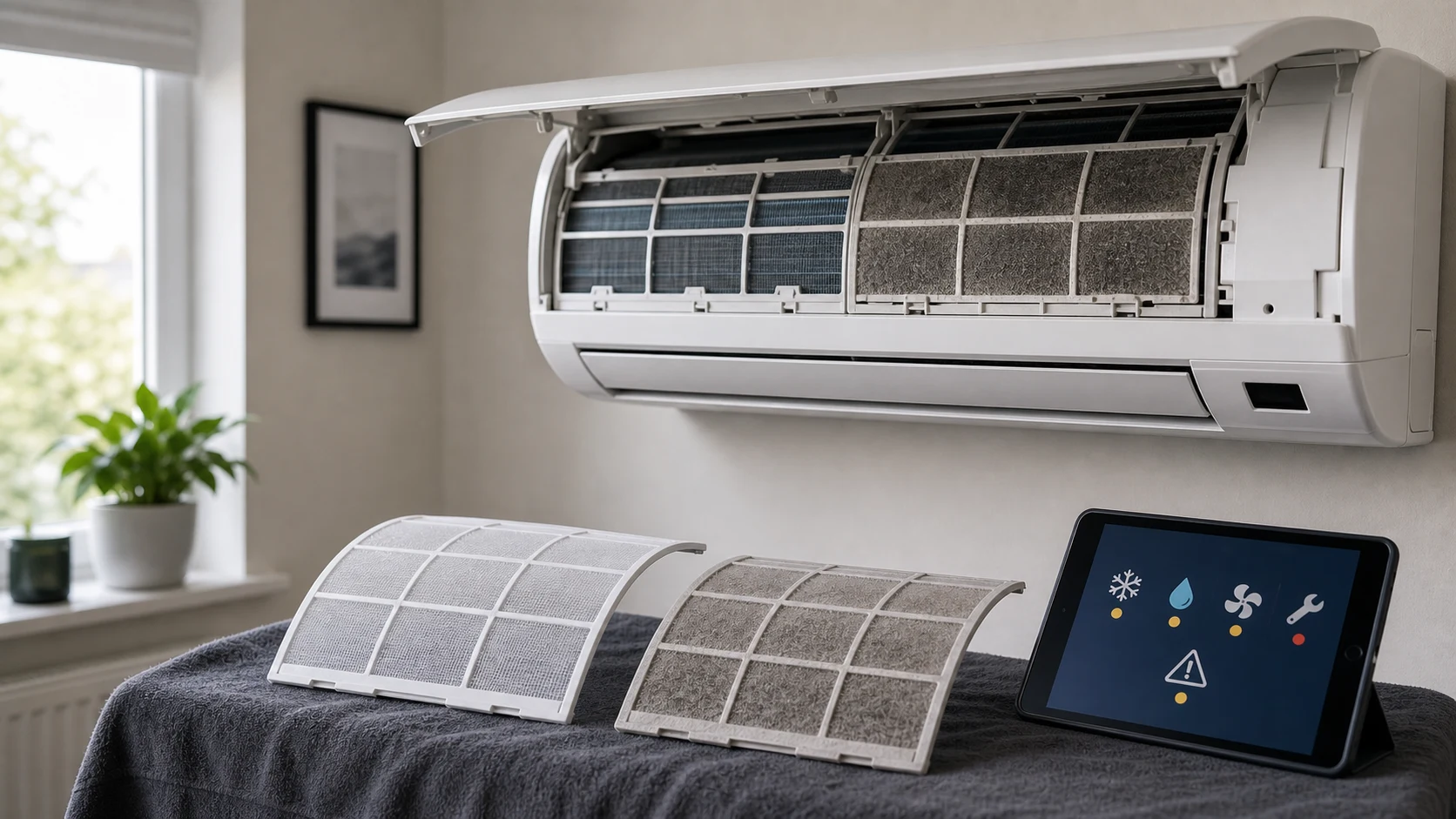
Useful evidence includes model labels, controller errors, photos of both units, pipe route, isolator, drain route, service history and whether the system has leaked or been repeatedly topped up.
The quote should identify whether removal, recovery, disposal, new brackets, new pipework or electrical changes are included. Reusing old components should be a conscious decision, not an assumption.
The risk is pricing only the shiny new indoor and outdoor units. Hidden legacy issues can affect safety, warranty, refrigerant handling and the finished appearance.
When Replacing an old air conditioner is used in the enquiry form, pair the question with the target room, preferred temperature, daily use pattern, budget boundary, outdoor-unit option, access limits, noise sensitivity, drainage route, controller expectation, service access and any permission constraint. That gives the estimator an auditable set of assumptions instead of a single isolated topic.
Start with what changed
Replacing an old air conditioner should begin with the symptom, history or handover question rather than an assumption that replacement is the answer. Weak cooling, water leaks, controller errors, poor airflow and noisy operation point to different checks.
A useful enquiry says when the issue started, which mode was selected, whether the outdoor unit runs, whether filters are clean and whether any error code, label or service record is visible. For Replacing an old air conditioner, keep this tied to the specific context: how to think about replacing old indoor and outdoor ac units.
For planned handover or installation-day preparation, the same principle applies: record what the customer needs to know before the engineer leaves, not only what equipment was fitted. For Replacing an old air conditioner, keep this tied to the specific context: how to think about replacing old indoor and outdoor ac units.
Evidence for triage
Photos should show indoor unit labels, outdoor unit labels, controller screens, filters, drains, isolators and safe access around both units. One close-up can be useful, but the wider access photo often explains the job. For Replacing an old air conditioner, keep this tied to the specific context: how to think about replacing old indoor and outdoor ac units.
The first reply can separate likely service tasks from items that need parts, leak investigation, electrical review or replacement discussion. That triage only works when the evidence is specific. For Replacing an old air conditioner, keep this tied to the specific context: how to think about replacing old indoor and outdoor ac units.
For replacement, old pipework, brackets, drainage and electrics may or may not be reusable. The quote should not assume reuse until the condition and compatibility are checked. For Replacing an old air conditioner, keep this tied to the specific context: how to think about replacing old indoor and outdoor ac units.
Service and follow-up scope
A service or fault quote should say what is included in the visit and what would remain extra, such as parts, refrigerant work, access equipment, electrical repair or return visits. For Replacing an old air conditioner, keep this tied to the specific context: how to think about replacing old indoor and outdoor ac units.
For handover topics, the customer should receive mode guidance, filter advice, warranty expectations, commissioning notes and who to contact if behaviour seems unusual in the first week. For Replacing an old air conditioner, keep this tied to the specific context: how to think about replacing old indoor and outdoor ac units.
A replacement proposal should explain the reason for replacement, not just the model being offered. Age, refrigerant, fault history, efficiency, noise and serviceability can all point to different decisions. For Replacing an old air conditioner, keep this tied to the specific context: how to think about replacing old indoor and outdoor ac units.
Before booking
Before booking, confirm access, parking, unit count, symptoms and any business timing constraint. If the system serves customers or critical equipment, downtime and temporary comfort should be discussed. For Replacing an old air conditioner, keep this tied to the specific context: how to think about replacing old indoor and outdoor ac units.
The written next step should keep diagnosis and final repair promise separate. A first review can identify a likely route, but hidden faults and parts availability still need confirmation. For Replacing an old air conditioner, keep this tied to the specific context: how to think about replacing old indoor and outdoor ac units.
Quote audit checklist
When Replacing an old air conditioner becomes a real enquiry, start by naming the customer problem: comfort, cost, permission, fault diagnosis, handover or day-to-day use. How to think about replacing old indoor and outdoor AC units. The title alone should not be treated as a fixed answer; the room, outdoor route, use pattern and written scope still decide the recommendation.
For Replacing an old air conditioner, the form details should support each other. Room type, dimensions, windows, target temperature, use pattern and uploaded evidence need to tell the same story. If the text says night-only bedroom use but the media only shows a living-room wall, the estimator still has to ask follow-up questions.
If the customer already has a budget or another quote for Replacing an old air conditioner, compare the assumptions rather than the headline number. VAT, electrical work, condensate route, outdoor brackets, removal of old equipment, commissioning, warranty and aftercare can all change what a price really means.
Anything involving Replacing an old air conditioner and a landlord, freeholder, planning authority, conservation area, neighbour noise, grants, F-gas duties or commercial compliance should stay conditional until confirmed. Trust AC can explain common routes, but an article should not turn unconfirmed approval, eligibility or third-party responsibility into a promise.
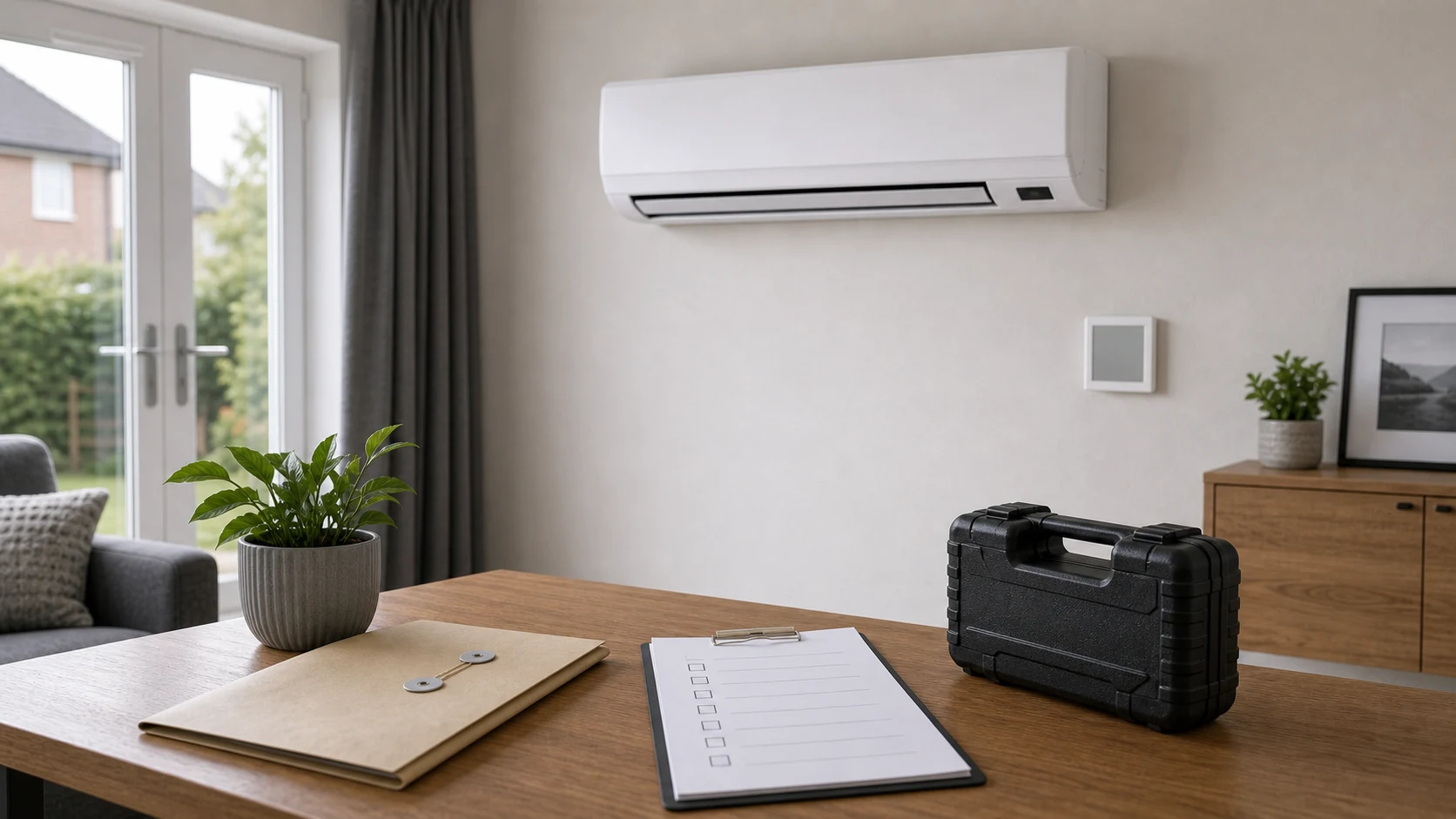
Before submitting a Replacing an old air conditioner enquiry, gather practical evidence: wide room view, preferred indoor wall, route from inside to outside, outdoor-unit option, fuse board or labels, drainage point and any access limits. Specific evidence reduces guesswork and gives the later written quote a cleaner audit trail.
The final decision for Replacing an old air conditioner belongs in the written scope: model, quantity, positions, included work, exclusions, payment schedule, warranty, maintenance expectations and anything still subject to site confirmation. The article helps the customer ask better questions; the confirmed quote is what makes the job auditable.