Topic-specific guidance
Restaurant and cafe air conditioning needs its own estimate logic because restaurant and cafe ac planning around heat, odours, doors and customer comfort. The useful first step is to connect the customer's room, evidence, constraints and budget before comparing equipment, dates or written scope. Treat any missing photo, route detail or permission note as an estimate risk rather than a small admin gap. That discipline keeps the article useful for customers and traceable for the team reviewing the enquiry later.
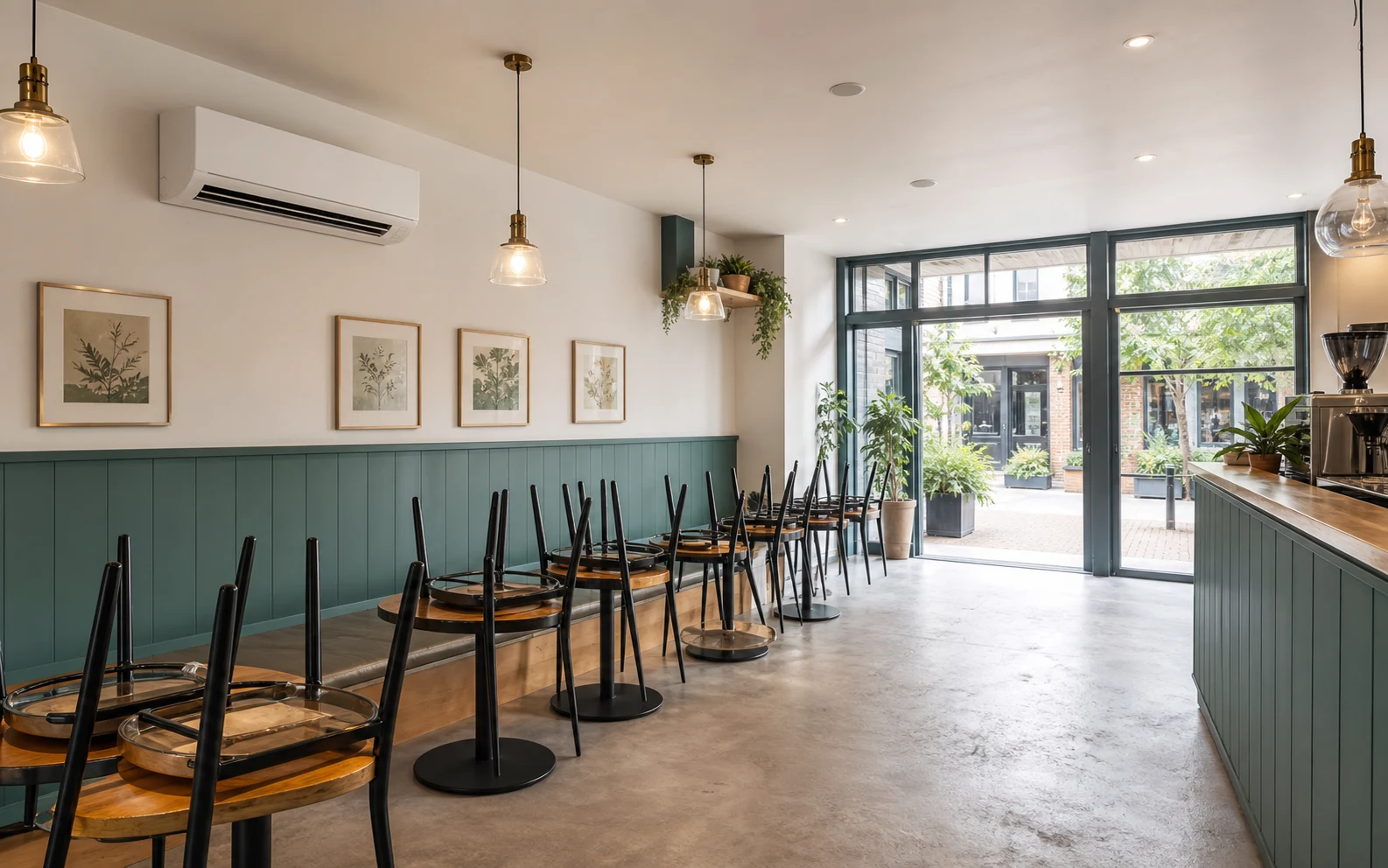
Restaurant and cafe AC must account for people, doors, lighting, cooking heat and odour expectations. Comfort cooling alone may not solve extraction or kitchen heat problems.
Evidence includes seating layout, open doors, kitchen separation, extract systems, peak occupancy, trading hours, ceiling height, customer dwell time and whether work must happen outside opening hours.
The quote should define whether the system serves customer seating, staff areas or back-of-house comfort. It should not blur AC with kitchen ventilation or extraction obligations.
The risk is promising a pleasant dining area while ignoring heat sources and air movement. A system can be correctly installed but still disappoint if the business pattern was not understood.
When Restaurant and cafe air conditioning is used in the enquiry form, pair the question with the target room, preferred temperature, daily use pattern, budget boundary, outdoor-unit option, access limits, noise sensitivity, drainage route, controller expectation, service access and any permission constraint. That gives the estimator an auditable set of assumptions instead of a single isolated topic.
Business use first
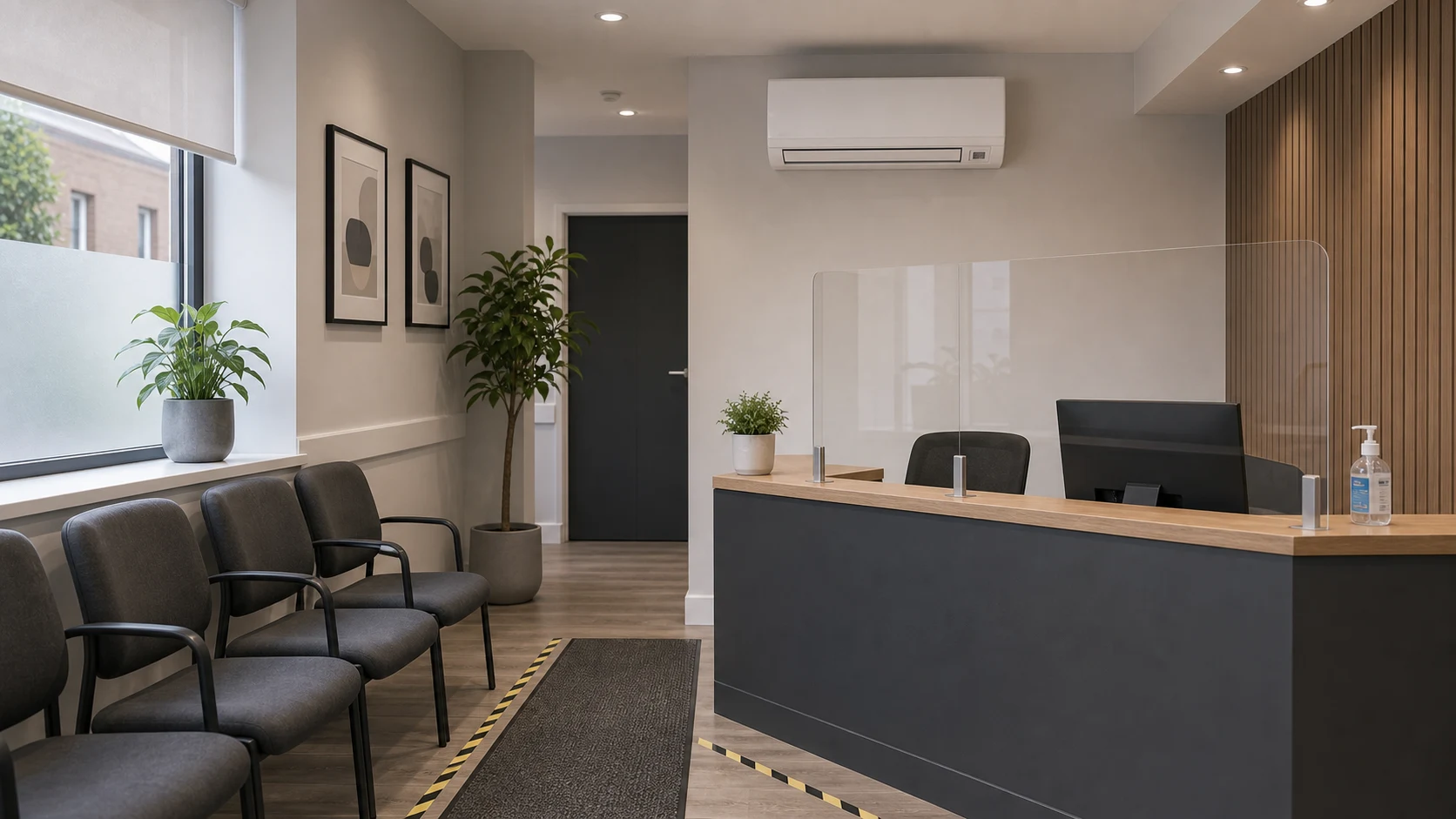
Restaurant and cafe air conditioning should begin with the way the business actually works. A shop with open doors, a clinic treatment room, a cafe seating area and an office meeting room can share a floor area but behave like different heat and comfort problems.
The first review should capture who occupies the space, when peak discomfort happens, where staff and customers stand, and whether equipment, lighting, refrigeration or cooking adds load. These details matter before a catalogue capacity is treated as the answer. For Restaurant and cafe air conditioning, keep this tied to the specific context: restaurant and cafe ac planning around heat, odours, doors and customer comfort.
Trading hours are not a side note. If installation must happen before opening, after closing or in short phases, the labour plan and cost risk change even when the indoor and outdoor units stay the same. For Restaurant and cafe air conditioning, keep this tied to the specific context: restaurant and cafe ac planning around heat, odours, doors and customer comfort.
Site evidence to collect
Useful evidence includes customer areas, back-of-house routes, ceiling height, door behaviour, stock or equipment heat, parking, loading, landlord requirements and where tools can safely be staged. For Restaurant and cafe air conditioning, keep this tied to the specific context: restaurant and cafe ac planning around heat, odours, doors and customer comfort.
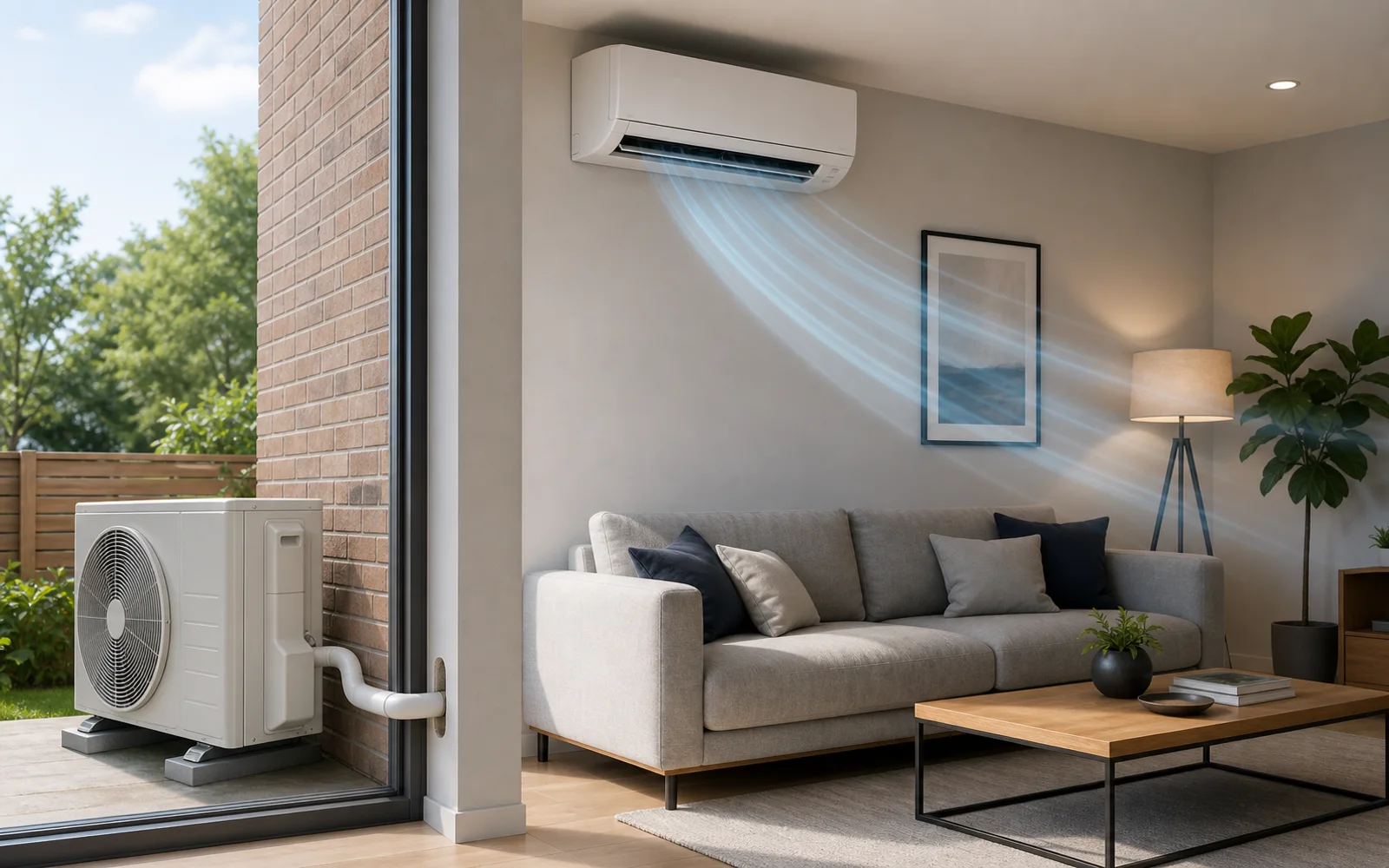
Photos should show the whole trading area and the likely indoor wall, then continue outside to the route, drain option and outdoor position. A cropped photo of the unit location is not enough for a commercial reply. For Restaurant and cafe air conditioning, keep this tied to the specific context: restaurant and cafe ac planning around heat, odours, doors and customer comfort.
If there are landlord, freeholder, franchise or building-management rules, the enquiry should say what is known and what is still waiting for permission. That keeps the quote from pretending approval is already solved. For Restaurant and cafe air conditioning, keep this tied to the specific context: restaurant and cafe ac planning around heat, odours, doors and customer comfort.
Quote and disruption checks
A commercial quote should split equipment, access, electrical assumptions, customer-area protection, commissioning and service expectations. The written scope should make clear what happens outside trading hours and what would count as extra work. For Restaurant and cafe air conditioning, keep this tied to the specific context: restaurant and cafe ac planning around heat, odours, doors and customer comfort.
Controls should match the staff who will use the system. Managers may want schedules, while day-to-day users may need simple modes and clear handover notes so comfort does not depend on one person knowing the controller. For Restaurant and cafe air conditioning, keep this tied to the specific context: restaurant and cafe ac planning around heat, odours, doors and customer comfort.
The strongest proposal is not simply the highest capacity. It is the one that can be installed, maintained and operated without creating avoidable customer disruption or hidden downtime. For Restaurant and cafe air conditioning, keep this tied to the specific context: restaurant and cafe ac planning around heat, odours, doors and customer comfort.
Before committing
Before accepting a commercial proposal, compare the quote against the actual opening hours, access route, protection needs, parking and service plan. If any of those items are provisional, they should stay visible. For Restaurant and cafe air conditioning, keep this tied to the specific context: restaurant and cafe ac planning around heat, odours, doors and customer comfort.
Trust AC can use the online estimate as a starting point, but commercial work still needs written confirmation of final equipment, timing, warranty, exclusions and payment terms before anyone treats the range as settled. For Restaurant and cafe air conditioning, keep this tied to the specific context: restaurant and cafe ac planning around heat, odours, doors and customer comfort.
Quote audit checklist
When Restaurant and cafe air conditioning becomes a real enquiry, start by naming the customer problem: comfort, cost, permission, fault diagnosis, handover or day-to-day use. Restaurant and cafe AC planning around heat, odours, doors and customer comfort. The title alone should not be treated as a fixed answer; the room, outdoor route, use pattern and written scope still decide the recommendation.
For Restaurant and cafe air conditioning, the form details should support each other. Room type, dimensions, windows, target temperature, use pattern and uploaded evidence need to tell the same story. If the text says night-only bedroom use but the media only shows a living-room wall, the estimator still has to ask follow-up questions.
If the customer already has a budget or another quote for Restaurant and cafe air conditioning, compare the assumptions rather than the headline number. VAT, electrical work, condensate route, outdoor brackets, removal of old equipment, commissioning, warranty and aftercare can all change what a price really means.
Anything involving Restaurant and cafe air conditioning and a landlord, freeholder, planning authority, conservation area, neighbour noise, grants, F-gas duties or commercial compliance should stay conditional until confirmed. Trust AC can explain common routes, but an article should not turn unconfirmed approval, eligibility or third-party responsibility into a promise.
Before submitting a Restaurant and cafe air conditioning enquiry, gather practical evidence: wide room view, preferred indoor wall, route from inside to outside, outdoor-unit option, fuse board or labels, drainage point and any access limits. Specific evidence reduces guesswork and gives the later written quote a cleaner audit trail.
The final decision for Restaurant and cafe air conditioning belongs in the written scope: model, quantity, positions, included work, exclusions, payment schedule, warranty, maintenance expectations and anything still subject to site confirmation. The article helps the customer ask better questions; the confirmed quote is what makes the job auditable.