Listed buildings and conservation areas

Air conditioning in a listed building or conservation area

These are the two situations where the usual answer about permitted development is simply wrong, and where getting it wrong is expensive. A listed building needs consent for work that affects its character, and in a conservation area the position of the outdoor unit is restricted before anything else is considered. This page sets out what applies and what Trust AC provides so the paperwork can be prepared properly rather than retrospectively.

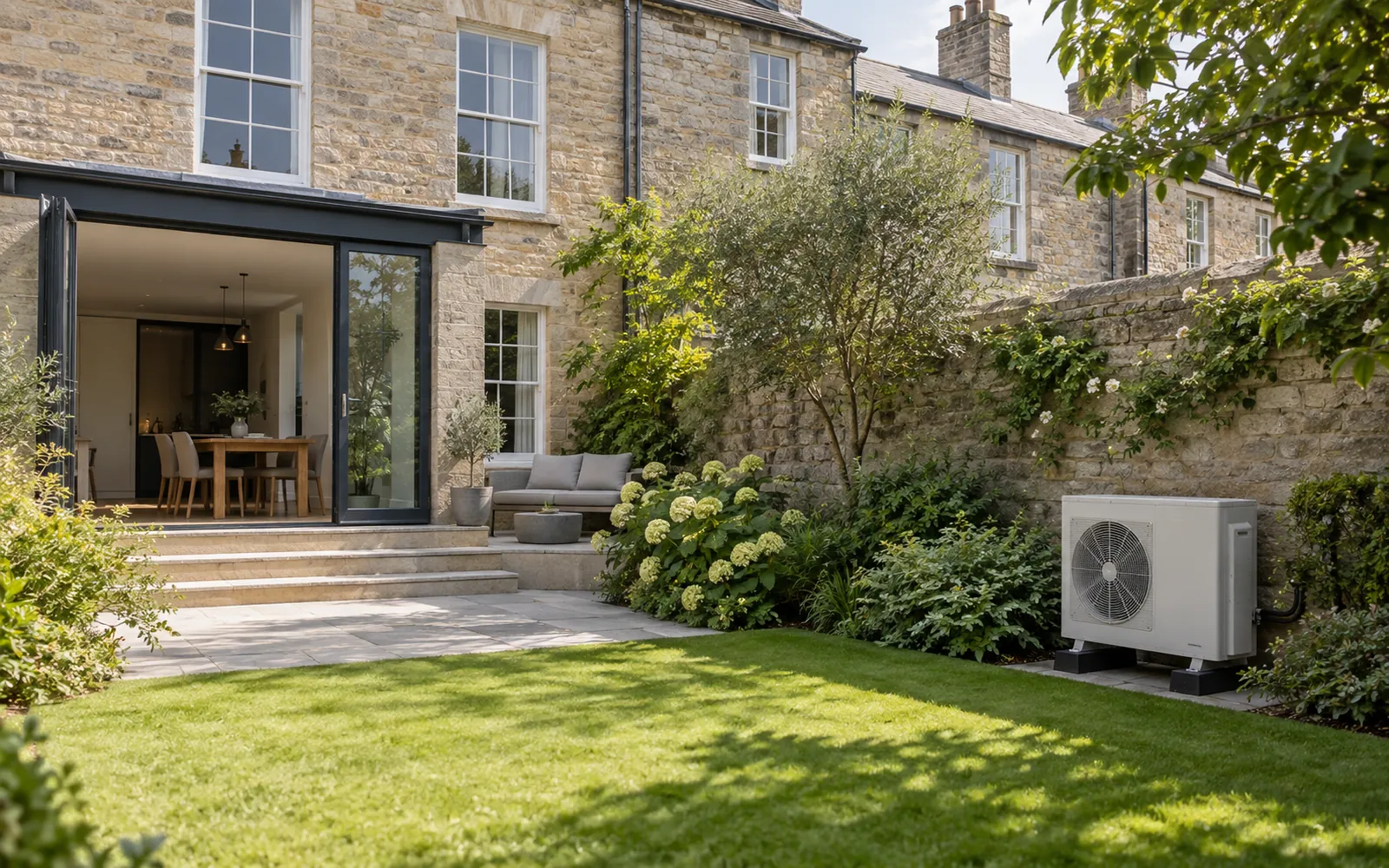
Outdoor unit on a ground stand in the rear garden of a period stone terrace, screened by planting

What applies to a protected building

Permitted development does not apply to a listed building

The Class G right that covers heat pumps on ordinary homes does not apply within the curtilage of a listed building. Listed building consent is needed for works that affect the building's special interest, and that includes internal work: routing pipework through a historic wall, floor or ceiling counts, even though nobody outside will see it. Doing the work without consent is a criminal offence, not just a planning breach.

In a conservation area, the street elevation is out

The building itself need not be listed for the rules to bite. In a conservation area, an air-to-air heat pump cannot go on a wall or roof that fronts a highway under permitted development, which usually pushes the outdoor unit to the rear or into the garden. A cooling-only unit is not covered by the right anywhere, so it needs planning permission regardless of where it goes.

An Article 4 direction can remove the rights entirely

Councils can withdraw permitted development rights for a particular area or a particular type of work through an Article 4 direction, and many have done so in historic streets. This is why the honest answer to 'do I need permission' always starts with checking the council's own map for that address, rather than reasoning from the building type.

What tends to be acceptable

Conservation officers are generally more receptive to equipment that is reversible and does not damage historic fabric: a unit on a ground stand rather than fixed to a historic wall, pipe runs that follow existing service routes or modern extensions, and positions that are not visible from the street. Designing for that from the start is far cheaper than redesigning after a refusal.

What Trust AC gives you in writing

A consent application is won or lost on the drawings and the reasoning, so those come with the quote:

  1. A written view on which consent appliesWhether the address needs listed building consent, planning permission, both, or neither, and the condition that decides it — the listing, the conservation area boundary, an Article 4 direction, or the cooling-only point. The council has the final say, and we say so.
  2. A pack you can submit or hand to your agentThe outdoor unit's model and dimensions, the manufacturer's published sound data, the proposed position and fixing method, and photos or a marked-up drawing. If you are using a planning consultant or architect, this is what they will ask you for first.
  3. The expected noise level at the neighbourThe sound level at the nearest neighbouring window for the proposed unit and position, using the MCS 020a method — often relevant in dense historic streets where the units sit close together.
  4. A landlord and tenant note, if the property is letWhere the building is rented out, a short written note covering who services the system, what happens if it is damaged, and whether it is removed at the end of the tenancy.

Common questions

Can you install air conditioning in a listed building?

Yes, but it needs listed building consent first. Permitted development does not apply within the curtilage of a listed building, and consent covers internal work as well, including pipe routes through historic fabric. Carrying out the work without consent is a criminal offence, so the application comes before the installation date.

Do I need planning permission for air conditioning in a conservation area?

If the unit also heats and meets the Class G conditions, it can be permitted development — but not on a wall or roof fronting a highway, which in practice means the rear or the garden. A cooling-only unit needs planning permission wherever it goes. An Article 4 direction can remove those rights altogether, so check the council's map for the address.

What makes an application more likely to be accepted?

Positions that are not visible from the street, fixings that avoid historic fabric — a ground stand rather than a bracket on an old wall — pipe runs that follow existing services or a modern extension, and evidence on noise at the neighbouring windows. It also helps to show that the least intrusive option was considered first.

How long does listed building consent take?

Councils generally aim to decide applications of this kind within eight weeks of validation, though it can take longer where a conservation officer asks for changes. Build that into the timetable before agreeing an installation date.

Send the building's details

A photo of the outside wall, the room, and the postcode is enough to start. We will tell you which consent applies before anything is booked.

Get my price